



Turn Your City's Infrastructure Into a Real-Time Intelligence Network
Sphere integrates leading cloud, data, CRM, and AI platforms into unified enterprise systems. We design integration architecture, implement platform solutions, and embed automation and AI into operational workflows to drive measurable business performance.
Organizations around the world trust us






Why This Matters Now
Cities are drowning in siloed infrastructure data, with traffic sensors that don't talk to air quality monitors, utility systems disconnected from mobility data, and operations teams making decisions based on stale information. Traditional smart city platforms require expensive private IoT gateway networks, multi-year procurement cycles, and proprietary lock-in. By the time a city deploys, the technology is already outdated.
1. Fragmented Data, Zero Unified View
Traffic, utilities, environmental, and public safety data sits in separate systems. City operations teams can't see the full picture or act on it fast enough.
2. Private IoT Networks Cost Millions
Building a city-wide private LoRaWAN or cellular IoT network requires $2M–$10M in infrastructure before a single sensor is live.
3. Procurement Cycles Kill Innovation
Traditional government IT procurement takes 18–36 months. By go-live, the technology is obsolete and the problem has worsened.
What Sphere Delivers
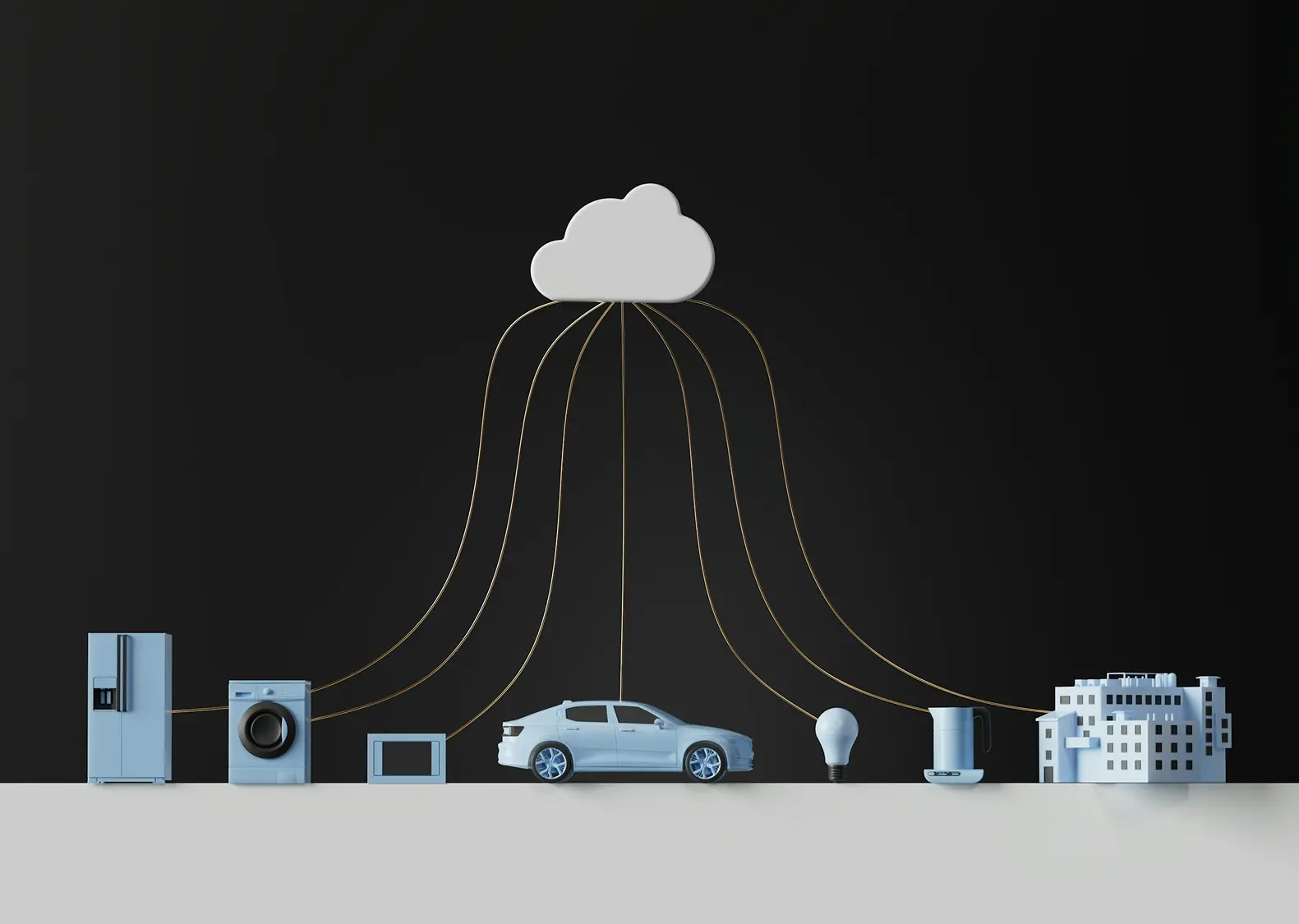
Sphere leverages Sidewalk – an Amazon's shared, city-scale IoT connectivity network – to eliminate the need for private gateway infrastructure entirely. Our pre-built accelerator connects environmental, traffic, utility, and public safety sensors to a unified AWS-hosted city intelligence platform. Cities get real-time dashboards, automated alerts, and predictive analytics without the traditional capital expenditure.
Amazon Sidewalk Integration
Deploy sensors across the city using Amazon's shared Sidewalk network. No private gateways. No carrier contracts. Coverage wherever Sidewalk devices exist which is most US cities.
Unified City Intelligence Dashboard
One operations console aggregating all sensor streams air quality, noise, flood risk, traffic flow, utility anomalies with city-wide heatmaps and incident alerting.
Predictive Environmental Analytics
ML models trained on your city's historical data forecast air quality events, flooding risks, and congestion patterns hours in advance enabling proactive response.
FedRAMP-Ready AWS Infrastructure
All data hosted on AWS GovCloud with FedRAMP-ready architecture, FISMA compliance support, and full audit logging meeting federal and municipal security requirements.
Open API & GIS Integration
Connects to existing city GIS platforms, 311 systems, and emergency dispatch via open APIs. No rip-and-replace of existing investments.
Multi-Department Visibility
Give public safety, utilities, transportation, and environmental teams a shared operational view of city conditions, with the same live data available across departments.
Built On Industry-Leading Technology
Sphere builds the platform on a proven AWS and IoT foundation, selected for secure connectivity, real-time data handling, scalable analytics, and public-sector readiness. This stack supports city-wide sensor deployments, live operational visibility, predictive modelling, and straightforward integration with the systems municipalities already run.

We'd love to hear from you!
Please provide your contact details, and our team will get back to you promptly.
Who This Is For
City-wide air quality, noise, and flood monitoring with public dashboards and automated EPA reporting
Real-time gunshot detection, crowd density monitoring, and incident alerting integrated with dispatch systems
Parking occupancy, bike lane usage, and pedestrian flow data to optimize urban mobility planning
Water main leak detection, electrical grid anomaly monitoring, and smart street lighting control
Heat island mapping, pollen monitoring, and respiratory health early warning systems
Schedule Your City Intelligence Briefing
In 45 minutes with Sphere's smart city architects, we'll review your city's current data infrastructure, map out a Sidewalk-based sensor.
How It Works
Assessment
2-week infrastructure and connectivity audit. Identify sensor placement, existing data systems, and Sidewalk coverage.
Deploy Sensors
Install pre-configured sensor nodes across target locations. Connect via Amazon Sidewalk – no gateway setup required.
Cloud Integration
Stand up the AWS IoT Core pipeline, data lake, and QuickSight dashboard. Integrate with existing city systems via APIs.
Train & Optimize
Deploy ML forecasting models on city-specific historical data. Train operations staff. Go live.
Assessment
2-week infrastructure and connectivity audit. Identify sensor placement, existing data systems, and Sidewalk coverage.
Deploy Sensors
Install pre-configured sensor nodes across target locations. Connect via Amazon Sidewalk – no gateway setup required.
Cloud Integration
Stand up the AWS IoT Core pipeline, data lake, and QuickSight dashboard. Integrate with existing city systems via APIs.
Train & Optimize
Deploy ML forecasting models on city-specific historical data. Train operations staff. Go live.
ROI & Business Impact
23% Reduction in Utility Costs
Average 23% reduction in utility costs driven by leak detection and smart lighting.
40% Faster Emergency Response
40% faster emergency response times from real-time incident detection.
$1.2M–$3.8M Annual Savings
$1.2M–$3.8M in annual operational savings.
8–14 Month Payback
ROI is typically achieved within 8–14 months of go-live.
Zero Gateway Capex
Eliminating private IoT gateway infrastructure alone saves $2M–$8M in capital costs compared with traditional approaches.
Hear from
our clientsHear from our clients

Lee Ebreo
VP of Engineering at Credit Ninja
These things would not have been achievable if we did not build our own in-house system and if we did not partner with Sphere to help us achieve our goals.

Selah Ben-Haim
VP of Engineering at Prominence Advisors
Our experience with Sphere and their team has been and continues to be fantastic. We keep throwing new projects at them, and they keep knocking them out of the park (including the rescue of a project that was previously bungled by another vendor).

Ben Crawford
Senior Product Manager at Enova Financial
I would expect to be delighted. It's been a really positive experience, working with Sphere, and I would expect you to have the same.

Mark Friedgan
CEO at CreditNinja
Sphere consistently prioritizes the needs of their clients, demonstrating both agility and teamwork. As an offshore team, they have been an integral part of our organization and we plan to continue growing with them.

René Pfitzner
Co-Founder at Experify
Sphere provided excellent full-stack development manpower to augment our team and help push our product forward. They are easy to work with, tech-savvy and proactive.

Bruce Burdick
Chief Information Officer at Integra Credit
We've been working with Sphere and its excellent consultants since our founding. I've found that they are true partners in the success of our business.

Jemal Swoboda
CEO at Dabble
The resources and developers that Sphere Software provides are skilled and have the required technical expertise, but more importantly, they have helped us build a culture of excellence within our team.

Arthur Tretyak
Founder and CEO at IntegraCredit
With Sphere, we were able to migrate in half the time it would take to train an additional FTE… and for a fraction of the cost. Our experience with Sphere has been exceptional.
Lee Ebreo
VP of Engineering at Credit Ninja
These things would not have been achievable if we did not build our own in-house system and if we did not partner with Sphere to help us achieve our goals.
Selah Ben-Haim
VP of Engineering at Prominence Advisors
Our experience with Sphere and their team has been and continues to be fantastic. We keep throwing new projects at them, and they keep knocking them out of the park (including the rescue of a project that was previously bungled by another vendor).
Join 300+
Satisfied Clients
0
Years of Excellence
0+
Projects Delivered
0
Countries
Globally diverse, community-focused
0+
Clients
top 20 average 8+ years